Hello.
I like to start these off usually with examples that I or people around me have gone through. Applying concepts into everyday life makes it a lot easier to understand what’s going on. Here’s today’s example. Picture this: you’re in the middle of watching a terrible movie. You just barely sat through the first hour of it without falling asleep, but you force yourself to sit through the rest anyways, just because you’ve already gotten through an hour of it. Sound familiar? You may have heard of the sunk cost fallacy-this is exactly what it does.
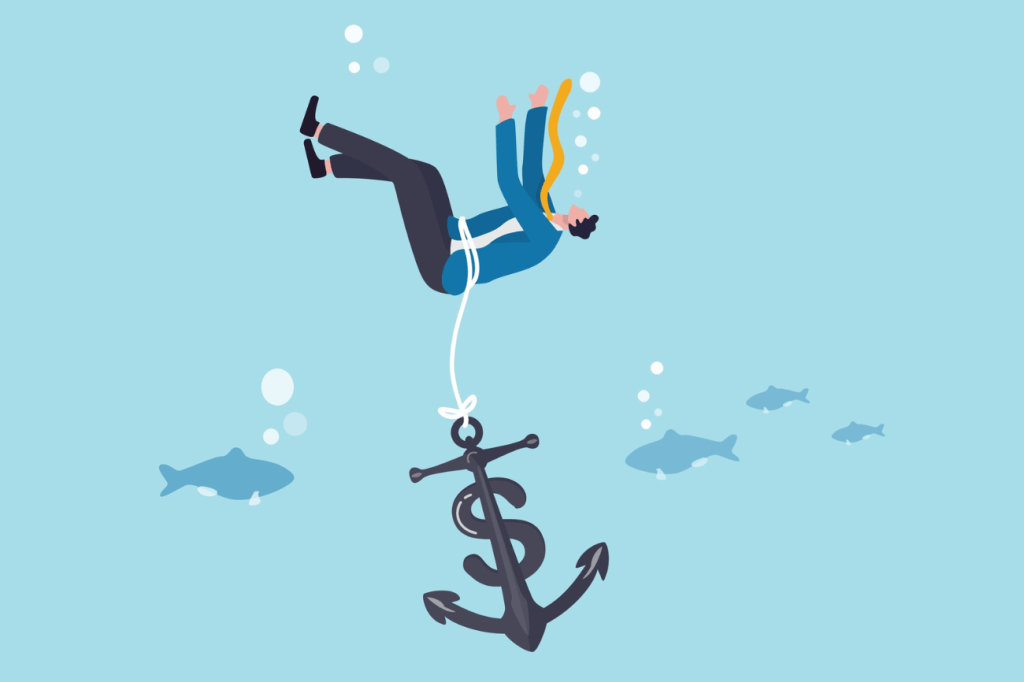
The sunk cost fallacy, or escalation of commitment, is a behavioral pattern in which we continue down a path that we know has negative outcomes just because we made a decision going down it or have invested into it. The name “sunk cost fallacy” relates to the economic idea that future investment into something may be worth it only based on the fact that it’s already been invested into. If you’ve invested into something and spent a lot of time on it, you might as well keep on going so as not to waste your past time.
It might not seem as bad in the moment, but it’s an easy trap to fall into. “I’ve come too far to quit now.” I’ve told myself that multiple times. It really isn’t always a bad thing-sometimes pushing on is necessary. But if what you’re doing is actively creating more and more negative outcomes it’s necessary to draw a line as to where to stop the bleeding.
What if?
Optimism bias is a driving factor behind our thought process. It’s easy to plan out a route going somewhere in your head that would avoid all possible problems, but we tend to overestimate the likelihood of things going right compared to thongs going wrong. Because of this, we usually believe that things will work out well even if by regular standards those chances aren’t always high.
Then there’s loss aversion. It’s kind of on the other end of the spectrum, where we’re more afraid of losing something we’ve invested into more than we value potential gains from it. If you’ve ever gambled and continued trying to win back what you’ve lost you’ve gone through this firsthand. There’s a good piece on this by Daniel Kahneman and Amos Tversky on this. If you want to look deeper into that read here. https://www.jstor.org/stable/1914185
A third psychological reason for the sunk cost fallacy is cognitive dissonance. It’s simply the discomfort that we feel when our actions conflict with our beliefs, causing us to continue justifying bad actions to reduce the discomfort. If this persists, we can even convince ourselves that the original choice wasn’t wrong. I’m sure you can see how that can work poorly.
THE COST OF COMMITMENT
There’s tons to lose from falling into the trap. Time, resources, money, and energy amongst others. The more time you spend on something that’s actively harming you, the more time that goes to waste while giving you minimal to no payoff. In addition, by holding onto sunk costs for substantial periods of time, you waste opportunities to find better options.
There’s an emotional toll too: by persisting in a failing endeavor you can cause stress, frustration, and lower your own self-esteem.
Let’s take a real world example where the losses were substantial. The Concorde Jet Project was a joint project between the British and the French that was launched in the 1960s to develop a supersonic passenger airliner. While it was actually able to fly at twice the speed of sound, it would eventually become a defining example of the sunk cost fallacy because of its financial losses.
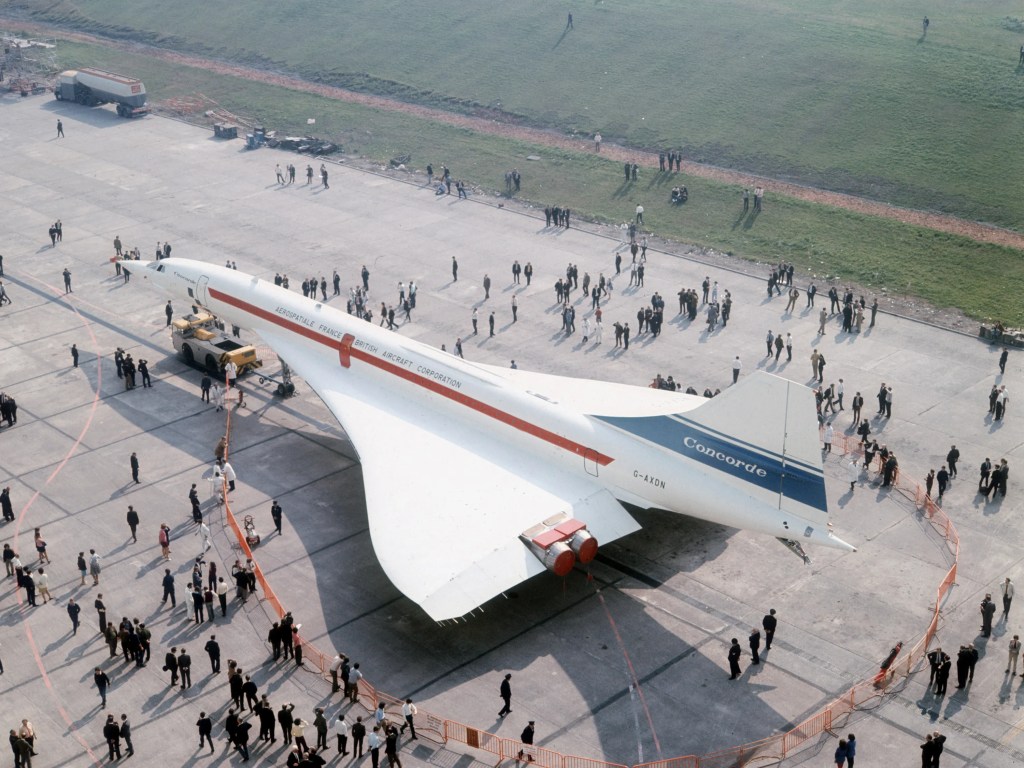
The project was supposed to revolutionize air travel by reducing flight times and would eventually become the first supersonic airliner to enter commercial service. It’s not hard to see the vision, but financial problems arose. While it was originally estimated to cost 70 million dollars, it would eventually rise to over 1.5 billion by the time the plane was ready. In addition, the sonic boom caused by surpassing the speed of sound would restrict routes, and the fuel consumption caused it to become expensive to operate. It was clear that the Concorde was not financially viable.
Despite this, both the British and the French continued to invest into the project. It represented technological superiority for both nations and abandoning it would have meant admitting failure. Most notably, billions had already been spent, causing stakeholders to become reluctant to “waste” their investment by abandoning the project.
In the end, the Concorde operated for almost 30 years but never made a profit. It was retired in 2003 after demand reduced and a fatal crash three years prior. It provided a lesson to the world: future decisions should be based on potential benefits and costs, not past investments. National pride and emotional attachment through investments clouded judgement that would have made it clear to stop investing.
I mentioned the movie example earlier. It’s not just entire governments that go through this. Anything that you feel you’ve been holding onto just because you’ve spent a lot of time on it can represent something that’s holding you back through the sunken cost fallacy.
DRAW THE LINE
As always, there are ways to overcome it. Start by reframing the decision you made. Ask yourself “if I hadn’t already invested anything, would I still choose this?” Try to avoid worrying about past investments and instead focus on future potential.
Another option is to set limits beforehand. Define clear boundaries for yourself. “If the project doesn’t succeed in x months, I’ll stop.” Don’t overcommit to something and let yourself fall into the trap. Attempting to normalize quitting is important; quitting isn’t always failure. Often it can be the smartest choice. If you can’t trust yourself to do that, seek an outside perspective. Ask someone else to see the viewpoint without being clouded by emotional attachment. Finally, focus on opportunity cost. You might be missing out on things far greater by continuing to focus on something that’s clearly not working.
“Recognizing sunk costs are irrelevant is not about giving up. It’s about moving forwards wisely.”
Richard Thaler
By letting go of what’s not working, we make room for what can.
 ElysianState
Leave a comment