Hello.
It’s almost winter break for me. As such, it’s been harder to focus on schoolwork and studying. Something that’s always helped me focus, though, is music. As boring as it is, studying becomes much more tolerable if I can drain out my background with something sonically appealing. What I recently started trying to do, however, was to take a closer listen to what lyrics of a song said. Music is art too, after all. There’s not much difference from poetry and writing a song, if you take a close look.
The lyrics of a song can tell a story, one that may be overlooked because of catchy tunes or overpowering vibes. I don’t blame you if you listen to music for, well, the music. But while I’ve been listening to some of my favorite artists, I noticed in a specific album a theme that I had been made aware of recently in real life.
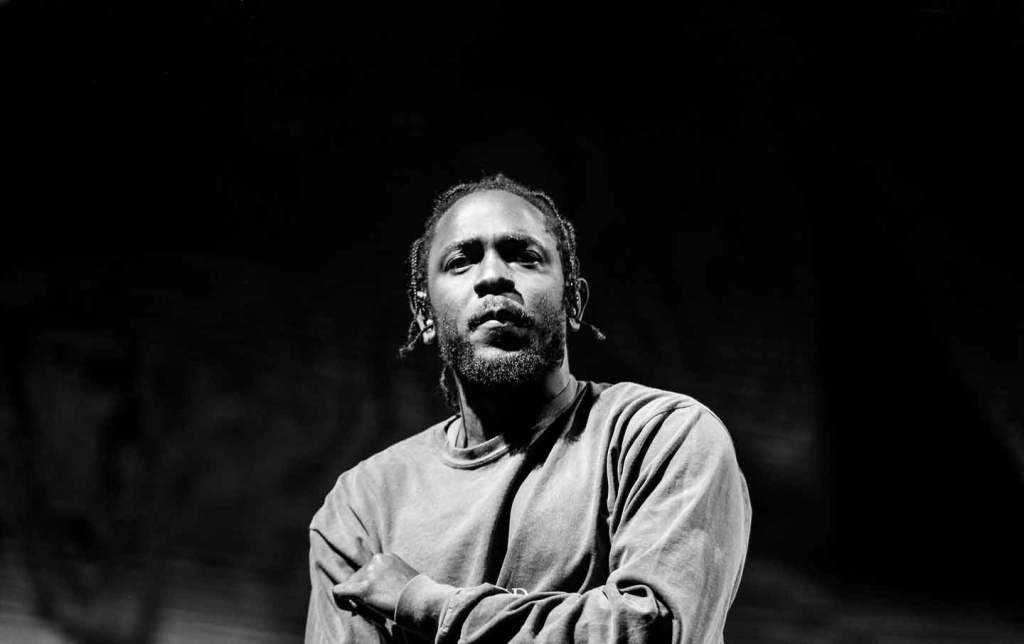
Kendrick Lamar is one of my favorite artists of all time. A rapper from Compton, California, his concept albums, ones that tell a story, have been lauded as not only some of the best hip hop albums of all time, but simply the greatest albums of all time. Mr. Morale and the Big Steppers, released in 2022, was a work detailing his personal struggles and themes that challenged societal norms.

I gave this album a listen again recently. One of the songs, “Father Time”, stood out to me, because I understood what Lamar was talking about. In fact, I’ve seen it happen around me. I wanted to spend some time today breaking down the song and how I felt its themes are relevant to anybody. I’m leaving a link below to the song if you’d like to listen. I really recommend the entire album.
https://www.youtube.com/watch?v=toEW7_-pvOY
THERAPY
The intro to “Father Time” is a conversation between Lamar and his spouse, Whitney Alford. She tells him to seek therapy, to which he denies, claiming that a real man doesn’t need therapy. Telling him that he sounds stupid, she urges him to reach out to Eckhart Tolle, his teacher and spiritual mentor.
Therapy is a complicated subject. Mental health issues have been made much more aware in the 21st century, but a lasting stigma towards therapy still exists. Lamar displays this from the very start of the song, where he claims that real men don’t need therapy. Right off the bat, it’s apparent the theme that he wants to bring into this song. I’ll hold back on explaining further until later into the song.
Lamar starts the first real verse of the song by detailing his childhood, specifically his violent surroundings and his family troubles, a callback to the song’s title. His complicated relationship with his father is explored throughout the verse, as Lamar follow’s his father’s mentality of keeping his head down and working hard even when times are hard.
I’m teary-eyed, wanna throw my hands, I won’t think out loud
a foolish pride, if i lose again, won’t go in the house
Lamar openly states his disagreement with this sentiment later in the same album, tying into the themes of searching for help when it’s needed. Lamar believes that it’s not right to work hard all the time through anything that happens, notable in this album specifically because of its themes of mental health.
The chorus of the song, sung by British singer Sampha, represents how Lamar forces himself to bury his feelings because of what he was taught by his father specifically. His mention of a “real man needing no therapy” in the intro is a direct result of what was instilled upon him by his father. Sampha and Lamar expose the psychological issues that result from stereotypical masculinity and its social norms.
TRAUMA
The second verse represents a continuation of the first. Lamar talks about his tendency to jump back up quickly after being hurt as a child, forcing himself to show as little pain as possible. This goes beyond just physical knee scrapes as he mentions, but into his feelings of pain as well. Lamar mentions how his father tells him not to be weak, believing that expressing emotions was unacceptable.
As a man myself, I’ve felt this firsthand. I was taught from early on as a child to suck up pain and trying to suppress feelings of weakness whenever possible. It might have created a sense of emotional strength, but there’s a clear downside to being taught this way as a child: vulnerability becomes associated with weakness. Being shown as vulnerable immediately becomes unacceptable socially and I was expected to present myself as resilient and strong at all times.
Daddy issues, hid my emotions, never expressed myself
men shoul dnever show feelings, being sensitive never helped
Lamar does give credit to his father, knowing that it wasn’t something he intentionally did do act cruel to him. Everyone is raised in different situations, and how we grow up often influences how we behave for the rest of our lives. Lamar acknowledges that his father did what he had to do to survive, having no time to feel disheartened at any point.
However, throughout the second verse, Alford helps Lamar recognize his ego and how it prevents him from seeking help. When your mental health is harmed, you can hurt not just yourself, but those around you. The message that Eckhart Tolle sends to Lamar is that your ego must be addressed. This applies to everyone. You can handle pain as much as you want, bury down your mental issues as far as possible, but in the end it’ll only come back to bite you and those around you even harder. I truly feel that the stigma against therapy, especially for men, is something that only causes us to feel worse.
Lamar ends the verse by hoping that those without father figures and those just like him both end the cycle, preventing it from being passed on to the next generation. While it might seem like a good thing to be raised tough, problems need to be recognized when they are real.
The final message Lamar sends is one of the most important ones. Don’t perpetuate your issues. Don’t let your trauma build up and pass it on to those around you. Abandon your emotional issues. Face them head on and end the cycle .
I think that this song, and furthermore, this album, is something vary rarely seen in hip-hop and music in general. Confidently taking on issues that society tends to move away from is a monumental deal and Lamar masterfully incorporates it into song. Once again, I truly recommend giving the song and album a listen. And by listen, I mean not just to the music, but the lyrics as well. They’re there for a reason.
Enjoy yourselves. Don’t be afraid to reach out for help. I’ll see you all in the new year.
 ElysianState
Leave a comment